
2026 POS Hardware Selection Guide: Thermal Printers, Label Printers & Kiosk-Ready Terminals for Retail and Restaurants
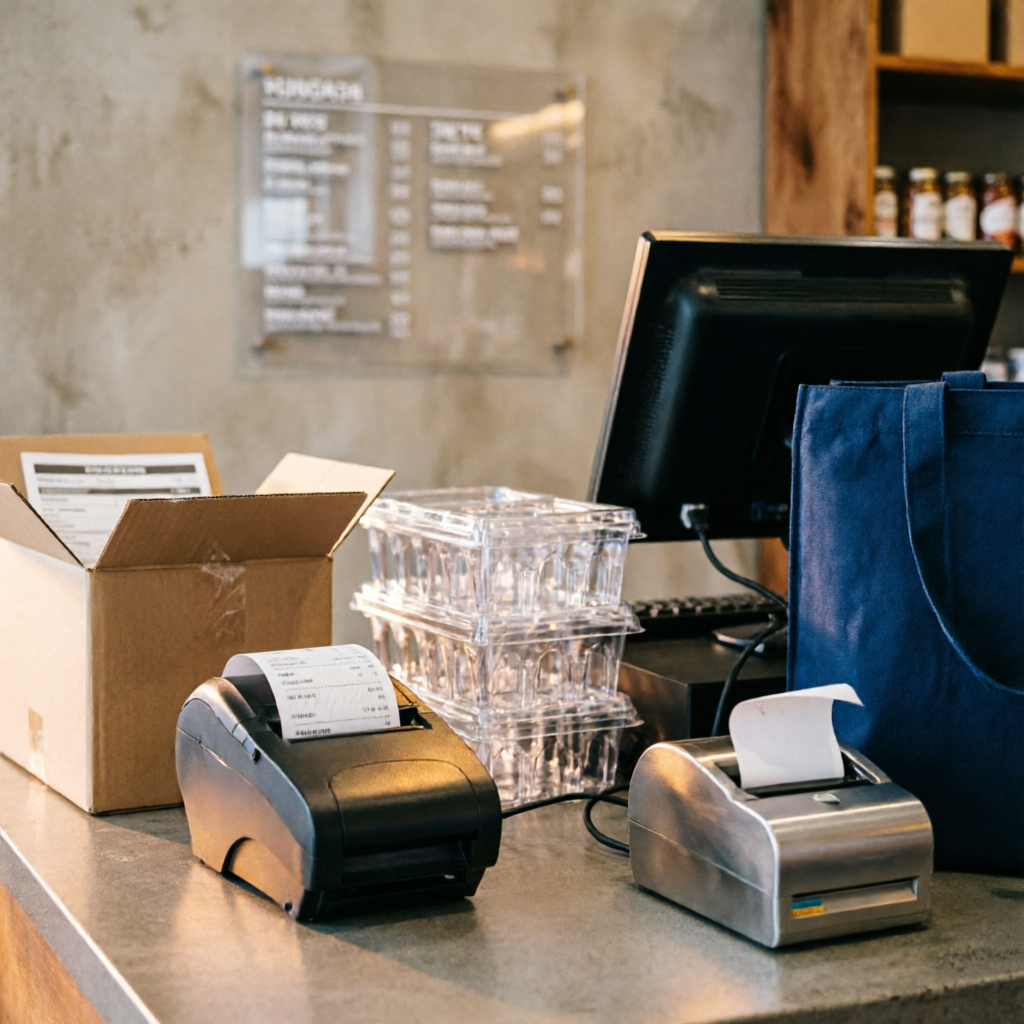
As of Q2 2026, thermal printer for POS receipt printing reliability and POS label printer with Bluetooth connectivity adoption have become key differentiators in hardware procurement. Industry data from NCR and Square’s 2026 Retail Tech Audit shows that 73% of new retail deployments include at least one certified label printer, while 81% require compact thermal receipt printer for countertop POS form factors — not just for space efficiency, but for thermal head longevity under continuous shift use.
Retail vs. Restaurant: Hardware Requirements Are Not Interchangeable
A POS system with offline mode for retail stores must sustain 4+ hours of uninterrupted transaction logging and local inventory sync — a requirement rarely needed in full-service restaurants but critical for pop-up shops and high-traffic convenience stores. Conversely, cloud-based POS system for餐饮行业 demands low-latency kitchen display integration and multi-station order routing — features embedded in HSPOS’s F&B-optimized firmware (v4.3.1, certified for Toast and Lightspeed Restaurant APIs).
Kiosk Integration Is a Hardware-First Decision
Many teams begin with software-first assumptions — but how to choose POS hardware for self-service kiosks hinges on three physical criteria: IP54-rated enclosure integrity, capacitive 10-point touch response <12ms, and native support for kiosk system integration with retail POS via standardized USB-C HID protocols. HSPOS’s K-Series terminals ship pre-certified for NCR Aloha, Oracle MICROS, and Shopify POS kiosk extensions.
Value Beyond the Sticker Price: What $300–$800 Systems Actually Deliver
The best POS machine for small retail business 2026 isn’t defined by lowest entry cost — it’s measured by peripheral compatibility (e.g., dual USB 3.2 ports for simultaneous thermal printer and label printer), local firmware update capability, and zero-touch provisioning. Systems in this tier also increasingly embed multi-language POS software for international retail chains as standard — reducing localization QA cycles by up to 60%.
Future-Proofing Tip: Prioritize Firmware-Shared Ecosystems
Standalone peripherals are being deprecated. Leading vendors now unify diagnostics, power management, and security patches across pos system, thermal printer, and label printer via shared firmware architecture. HSPOS’s Unified Device Manager (UDM) v2.1 enables cross-device OTA updates and real-time thermal head wear analytics — directly addressing maintenance pain points reported by 62% of Tier-2 retail operators in our 2026 Field Readiness Survey.
Comments