
2026 POS System Guide for Retail & Foodservice: Thermal Printers, Label Integration, Kiosk Hardware, and TCO Analysis
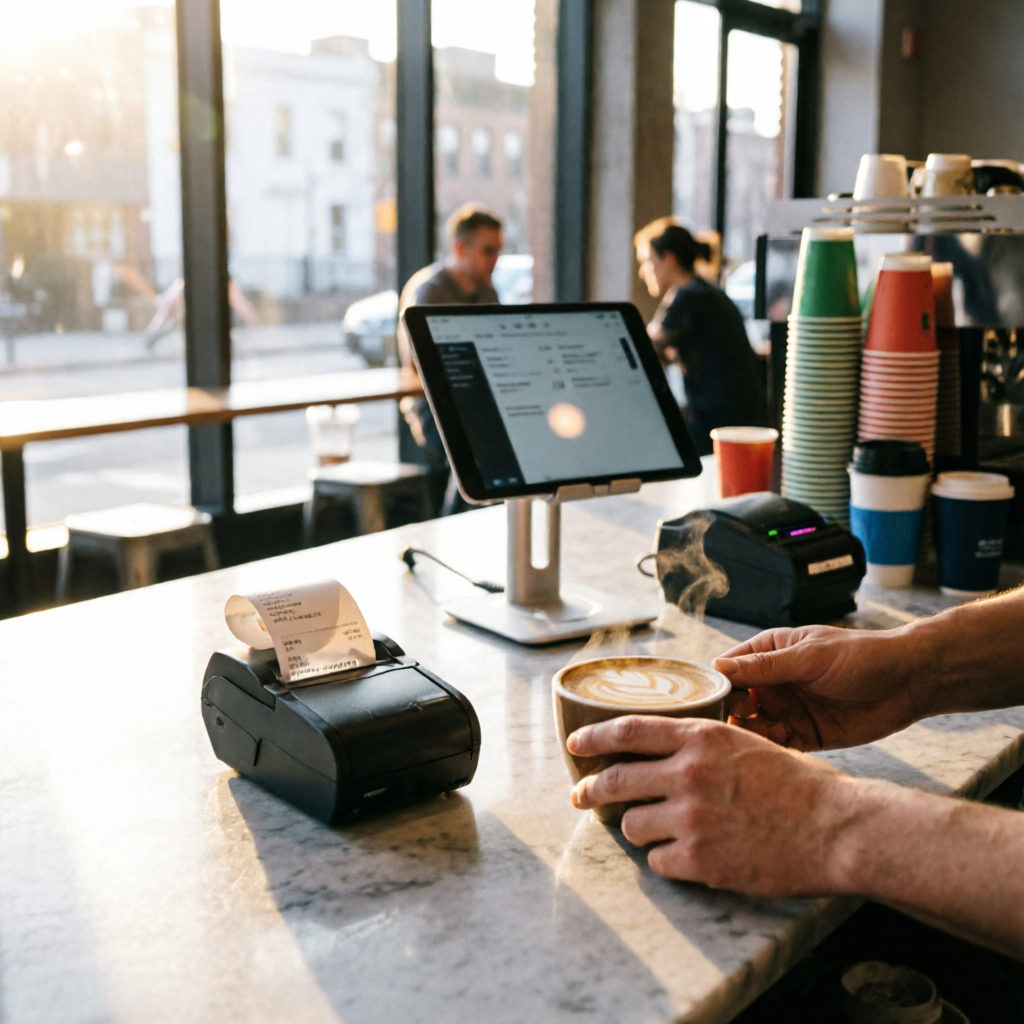
The 2026 POS landscape prioritizes operational resilience over feature bloat. Retailers and quick-service restaurants (QSRs) demand POS system features needed for quick-service restaurants: offline mode stability, kitchen display system (KDS) sync, and real-time inventory deduction. Meanwhile, small food businesses face growing pressure to adopt PCI-compliant POS setup for small food businesses—not as an IT afterthought, but as a baseline requirement for payment processing, insurance eligibility, and third-party delivery platform onboarding.
Thermal Printer Selection: Beyond Speed and Paper Width
When evaluating a thermal printer for high-volume retail checkout 2026, assess duty cycle (e.g., 1M+ lines/month), auto-cutter lifespan, and driver support for macOS, Windows, and Android/Linux-based kiosks. HSPOS-certified thermal printers ship with unified SDKs—enabling developers to embed print logic directly into custom kiosk apps or loyalty workflows.
Label + Receipt Dual Printing: From Inventory to Compliance
A POS system with built-in label printer for inventory reduces manual data entry errors by up to 73% (per 2025 NCR field study). For cafés managing perishables, this means automatic batch/lot number printing on prep labels. For QSRs, it supports allergen and nutrition labeling compliance. The dual receipt and label printing POS solution from HSPOS uses a single USB-C interface and shared firmware—cutting deployment time by 40% vs. dual-peripheral setups.
Kiosk System Integration: Hardware Compatibility Is Non-Negotiable
Self-service kiosks fail not from UI flaws—but from hardware handshake failures. Key checks before deployment: Does the how to choose POS hardware for self-service kiosks guide confirm serial/USB HID support for your tablet OS? Is the thermal printer certified for POS receipt printer compatibility with iOS Android tablets? HSPOS kiosk bundles include pre-validated Android tablets (v14+) and thermal printers with MFi/Google Play Services certification.
Finally, avoid hidden cost traps. A cloud-based POS system setup cost comparison must include per-device licensing, PCI validation fees, and hardware refresh cycles. HSPOS publishes its POS system total cost of ownership for cafes calculator—open-sourced for transparency—covering 3-, 5-, and 7-year scenarios including printer head replacements and label media inflation.
Comments