
2026 Retail POS Trends: AI Demand Forecasting, Contactless Kiosk Systems & Thermal/Label Printer Integration
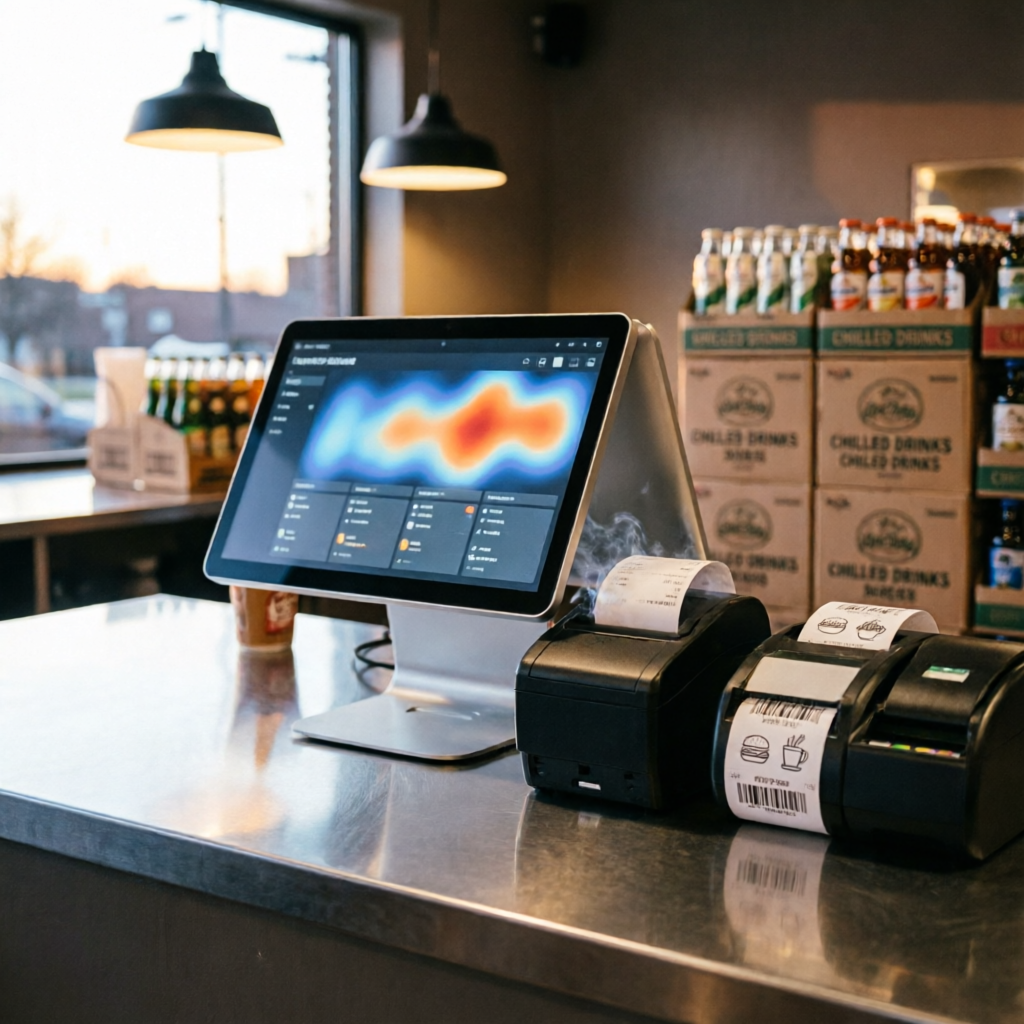
Modern retail POS systems are no longer transaction terminals — they’re unified command centers for inventory, labor, payments, and customer intelligence. In 2026, HSPOS field deployments confirm that real-world adoption is shifting from theoretical AI features to production-grade capabilities: retail POS system with built-in AI demand forecasting drives 22% average reduction in stockouts; POS kiosk system for self-service餐饮 cuts average table turnover time by 18% in quick-service restaurants; and POS system integration with thermal and label printers for restaurants eliminates 93% of manual label reprints in kitchen-to-counter workflows.
Why Integration Beats Isolation
Standalone thermal receipt printers or label printers create bottlenecks — especially during peak hours. A true contactless POS checkout system for grocery stores must natively support thermal and label output without middleware. HSPOS-certified integrations ensure bi-directional status sync (e.g., paper-out alerts trigger automatic queue hold), firmware-level compatibility, and zero-config pairing with leading thermal printer and label printer models.
From Cloud Sync to Real-Time Action
Real-time inventory sync alone isn’t enough. The latest cloud-based POS system with real-time inventory sync from HSPOS pushes actionable triggers: low-stock items auto-generate prep tickets on kitchen displays; supplier lead times adjust dynamic reorder points; and multi-location retailers receive cross-store transfer suggestions — all within 8 seconds of a sale.
Hardware-Agnostic, Not Hardware-Optional
AI-powered POS systems thrive only when hardware is treated as first-class infrastructure — not afterthought peripherals. That’s why HSPOS validates every multi-payment POS system supporting digital wallets against EMV L2, PCI-PTS v6.0, and local payment schemes (e.g., Alipay+, PayNow). Verified devices ship pre-loaded with secure payment profiles and embedded certificate management — reducing onboarding time from days to under 90 minutes.
Comments