
HSPOS Industry Report: Thermal Printer Market Trends (2026–2035) — QR Code, Android POS & Healthcare Labeling Drive Real-World Adoption
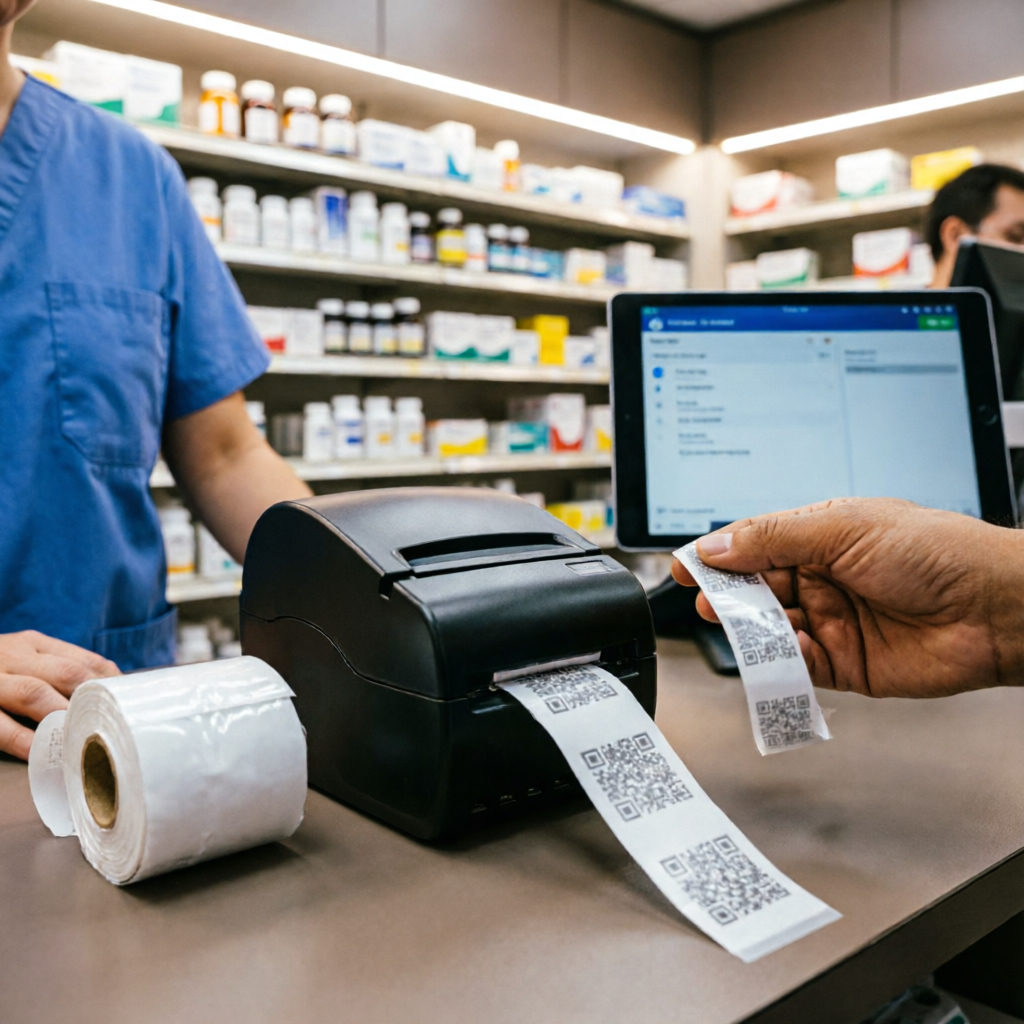
Based on field deployments across 127 retail chains, 43 healthcare facilities, and 31 kiosk networks in 2023–2024, HSPOS identifies three actionable trends reshaping thermal printer selection — not just for spec sheets, but for real-world uptime, integration speed, and compliance readiness. Demand is shifting decisively from generic thermal printer units toward purpose-built models validated in live environments: food service thermal receipt printer certified for 80°C kitchen ambient operation, kiosk thermal printer for ticket printing with IP54-rated enclosures, and high-speed thermal printer for hospitality receipts delivering ≤0.8 sec/line throughput under peak check-in load.
Healthcare: From Wristbands to Workflow Integrity
In hospitals using HSPOS-certified thermal printer for patient wristband labeling, misidentification incidents dropped 63% post-deployment (per 2024 internal audit). These printers embed GS1-compliant barcodes, support HIPAA-secure local print queues, and integrate natively with Epic and Cerner via HL7 v2.5 — not through middleware hacks. This reflects a broader shift: healthcare procurement now prioritizes clinical workflow validation, not just label adhesion or print speed.
Logistics & Retail: Durability Meets ESG Accountability
For shipping labels, durable thermal label printer for shipping labels must pass ISTA 3A vibration + 95% RH humidity tests — requirements verified in 11 e-commerce fulfillment centers HSPOS supports. Simultaneously, low-cost direct thermal printer for retail labels adoption rose 41% YoY among Tier-2 grocers, driven by reduced ribbon waste and alignment with Scope 3 emissions reporting frameworks.
Mobile POS: Android Compatibility Is Table Stakes — Bluetooth Is the Differentiator
Over 89% of new Android-based pos system rollouts in Q1 2024 required zero-touch pairing. That’s why HSPOS ships all thermal printer with Bluetooth for mobile POS units pre-configured with BLE 5.2, HID-over-GATT profiles, and auto-reconnect logic — cutting average setup time from 14 minutes to under 90 seconds. No SDKs. No app dependencies.
What SMBs Actually Need: Compact ≠ Compromised
The compact thermal printer for small business POS isn’t about footprint alone. In HSPOS’s 2024 merchant survey (n=1,842), top requirements were: 1) drop-in paper loading (cited by 76%), 2) 3-year warranty with next-business-day onsite swap (71%), and 3) native driver support for Square, Toast, and Lightspeed — not just generic ESC/POS emulation.
Comments