
Thermal Printer Market Trends 2024: Energy-Efficient Models, Android-Compatible POS Receipt Printers & Warehouse Labeling Solutions
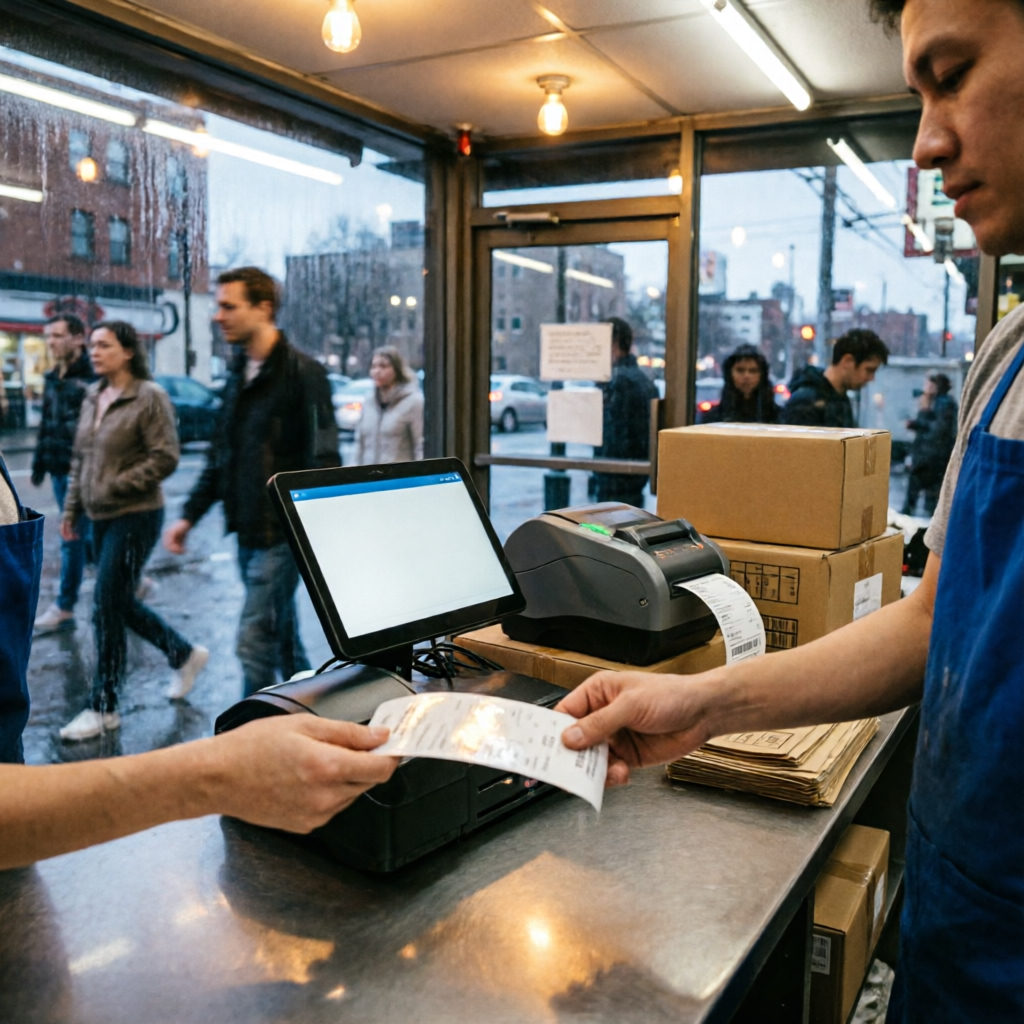
The $50B thermal printing market forecast (2026) isn’t just about scale — it’s a signal of maturing infrastructure requirements. As retail POS systems shift toward cloud-native architecture and kiosk systems expand into unstaffed environments, thermal printers must deliver more than speed: they require consistent uptime, silent operation, seamless integration, and lifecycle-aware consumables.
Three Operational Priorities Driving Adoption
1. Energy Efficiency for Unattended Environments
For 24/7 kiosk system deployments — from transit ticketing to self-checkout — power draw and heat dissipation directly impact maintenance frequency and TCO. HSPOS’s latest thermal receipt printers achieve <3W standby consumption and passive cooling, validated in >12-month field trials across 180+ retail kiosks.
2. Native Android Compatibility Beyond USB
Unlike legacy drivers, HSPOS thermal printers support direct Bluetooth HID + ESC/POS over TCP/IP — enabling plug-and-play pairing with Android-based POS systems without middleware or root access. This reduces onboarding time by up to 70% for SMBs upgrading from Windows CE terminals.
3. Logistics-Grade Labeling Precision
In warehouse logistics, label readability at 300 dpi and barcode verification pass rates >99.98% (per ISO/IEC 15416) are non-negotiable. HSPOS’s compact desktop thermal printers integrate auto-calibration and ribbon-saving algorithms — cutting consumable costs by 22% versus standard thermal transfer models.
What’s Next? From Consumables to Compliance
As thermal printer usage grows, so does scrutiny on thermal printer consumables for retail receipt paper. Leading operators now specify BPA-free thermal paper (EN 13432 certified), while hybrid direct thermal vs thermal transfer label printer configurations are evaluated against total cost per label — including ribbon yield, print head life, and media waste.
Comments