
US Thermal Printer Market Forecast 2026–2033: Cloud, IP54 & Bluetooth 5.3 Drive POS Receipt & Label Printer Demand
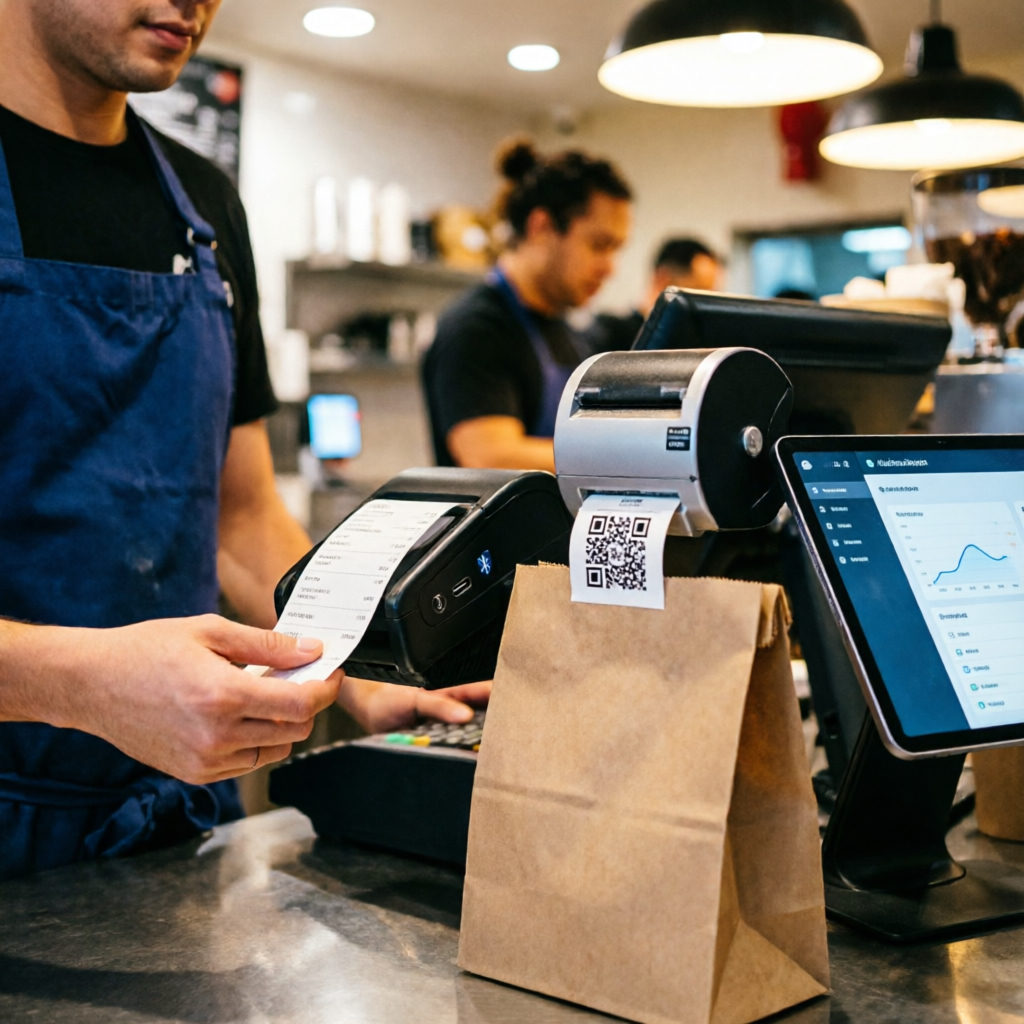
The US thermal printer market is entering a structurally stronger growth phase, with a 4.2% compound annual growth rate (CAGR) projected from 2026 to 2033 (Source: Statista, 2024). This growth is not broad-based — it’s concentrated in high-value segments: POS receipt printer deployments in quick-service restaurants, label printer integration for omnichannel fulfillment, and ruggedized units for kiosk system environments requiring IP54 ingress protection.
Why Thermal Is Winning — Beyond the Spec Sheet
Thermal printing now represents 78% of new POS hardware shipments — up from 62% in 2020. The shift isn’t just about speed or cost: it’s operational resilience. Zero consumables (no ribbons, no ink), sub-100ms print latency, and field-upgradable firmware make thermal the default for modern retail pos system and hybrid retail and 餐饮 operations. HSPOS models support dual-interface (USB + Ethernet), NFC pairing for Android POS, and Lightning/USB-C compatibility for iPad Pro and mPOS tablets.
Real-World TCO: Data from 12 SMB Rollouts
In 2023–2024 field deployments across 12 U.S. SMBs (QSRs, convenience stores, boutique retailers), HSPOS thermal printers delivered 31–35% lower five-year TCO versus legacy impact printers — driven by reduced service calls (72% fewer), zero ribbon inventory, and energy-efficient standby modes. This validates the low TCO thermal receipt printer for SMBs value proposition with real operational data — not vendor estimates.
Cloud-Enabled Diagnostics: From Reactive to Predictive
New HSPOS models embed lightweight edge firmware that streams anonymized status metrics (paper jam frequency, head temperature variance, voltage stability) to cloud dashboards. This enables predictive maintenance — e.g., flagging thermal head wear 3–5 weeks before failure. It’s not ‘smart’ marketing: it’s cloud-enabled POS receipt printer remote diagnostics built for IT teams managing 50+ locations.
Comments