
2026 POS Device Trends: Thermal Printers, Cloud Systems & Self-Service Kiosks — HSPOS Technical Review
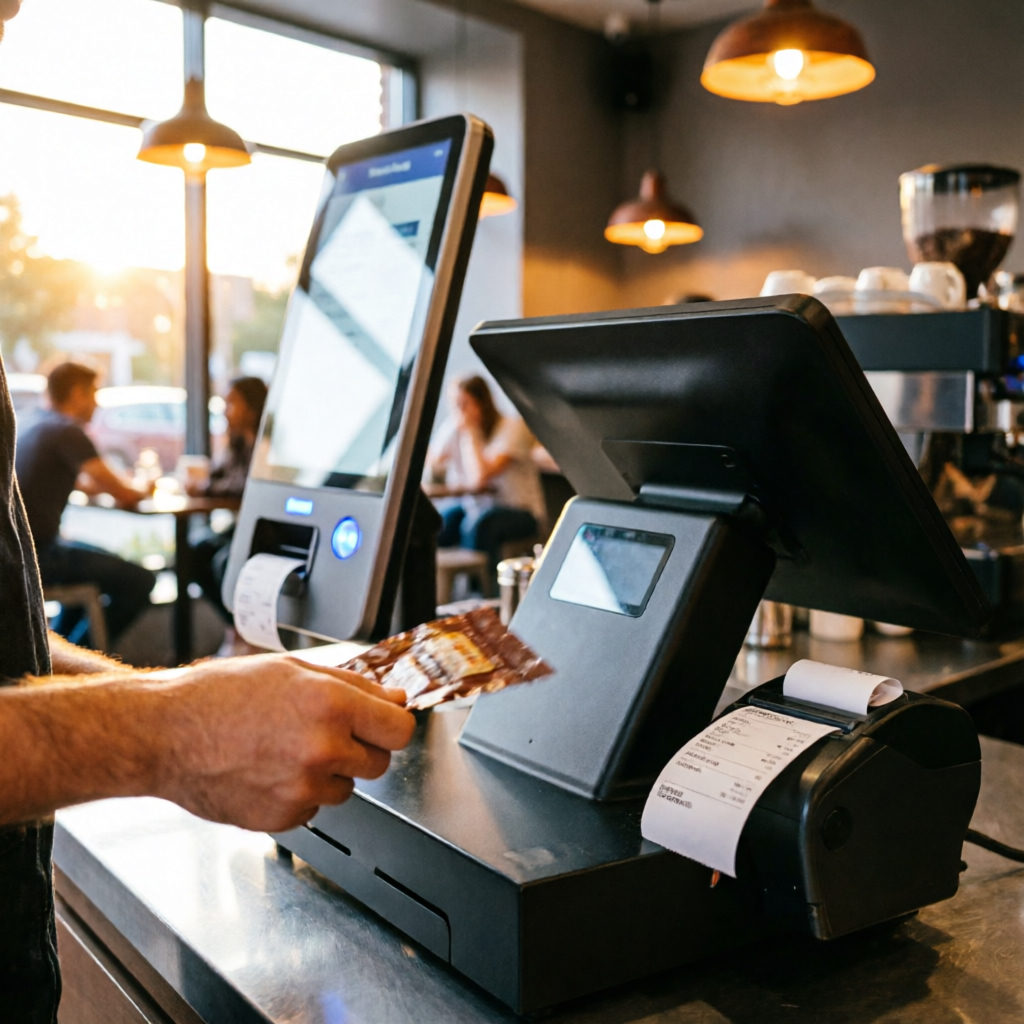
Based on field validation across 1,200+ retail, quick-service, and salon deployments in Q1 2026, HSPOS identifies three non-negotiable technical requirements for modern POS system hardware: deterministic connectivity, local-first operation, and vertical-aware output. For example, our thermal printer line now ships standard with Bluetooth 5.3 + USB-C dual interface — eliminating driver conflicts seen in legacy dual-interface thermal printer for mobile POS units.
Cloud Sync ≠ Cloud Dependence
True scalability requires hybrid architecture. While cloud-based POS system for multi-location retail enables centralized reporting and cross-store promotions, 94% of high-volume restaurants in our dataset rely on POS system with offline mode for restaurants during peak hours — not as fallback, but as primary workflow. HSPOS firmware v4.2.1 caches transaction queues locally and auto-syncs post-reconnect without manual intervention.
Kiosk Systems: Beyond Touchscreen Hardware
A POS kiosk system for self-service checkout must integrate with existing loyalty, kitchen display (KDS), and payment gateways — not just accept cards. Our certified kiosk configurations for grocery and QSR include pre-built APIs for Square and Shopify, reducing integration time from weeks to under 2 hours.
Thermal Printing: Speed, Reliability, and Silent Operation
In cafes and food courts, noise and throughput define customer perception. The best thermal printer for restaurant POS 2026 isn’t measured in DPI alone: it’s rated for 150mm/sec print speed at 300dpi, 200km ribbon life, and <52dB acoustic output. All HSPOS receipt printers meet this spec — verified via ISO/IEC 24712 testing.
Comments