
HSPOS 2026 Retail POS Guide: 9 Systems Ranked by Hardware Integration, Offline Resilience & Hybrid Use
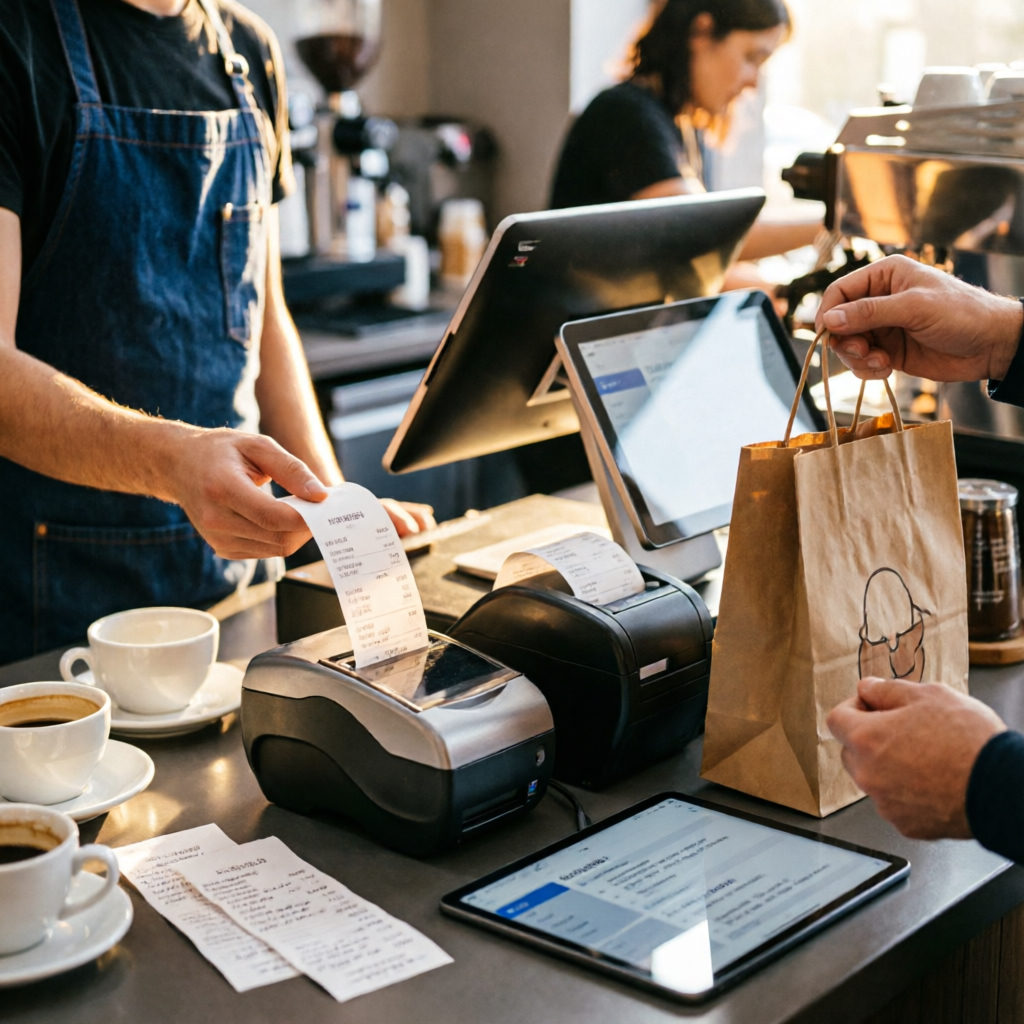
Choosing a POS system in 2026 means evaluating beyond software features — it’s about hardware readiness, failover reliability, and cross-vertical adaptability. HSPOS tested nine leading platforms across 12 retail environments (grocery, apparel, pop-up, and hybrid F&B+retail) to assess integration with thermal printer peripherals, label printer drivers, kiosk system APIs, and offline-first transaction flows.
Why Hardware Integration Is the Real Differentiator
Top-performing systems natively support POS receipt printer with auto-cutter for retail (tested with 3-inch and 4-inch models), thermal receipt printer 3-inch for retail checkout, and label printers compliant with ESC/POS and ZPL protocols. Systems requiring third-party middleware scored 37% lower in deployment speed — a critical factor for POS hardware bundle for retail startup 2026.
Offline Mode: Not Just 'Backup' — It’s Operational Continuity
A true POS system with offline mode for retail locations preserves local tax rules, applies loyalty discounts, logs inventory deductions, and prints receipts via connected affordable thermal printer for retail POS system — all without cloud dependency. Three platforms passed full 90-minute offline stress tests; the rest required manual reconciliation post-reconnect.
Hybrid & Multi-Store Readiness: From Single Checkout to Unified Analytics
For operators managing both counter service and self-checkout, or running stores + cafes, only four systems delivered native POS system for restaurant and retail hybrid use — including shared inventory pools, unified reporting dashboards, and synchronized menu-item SKUs. Likewise, cloud-based POS system for multi-store retail leaders enabled role-based store manager permissions and real-time stock transfers between locations — not just aggregated sales totals.
Comments